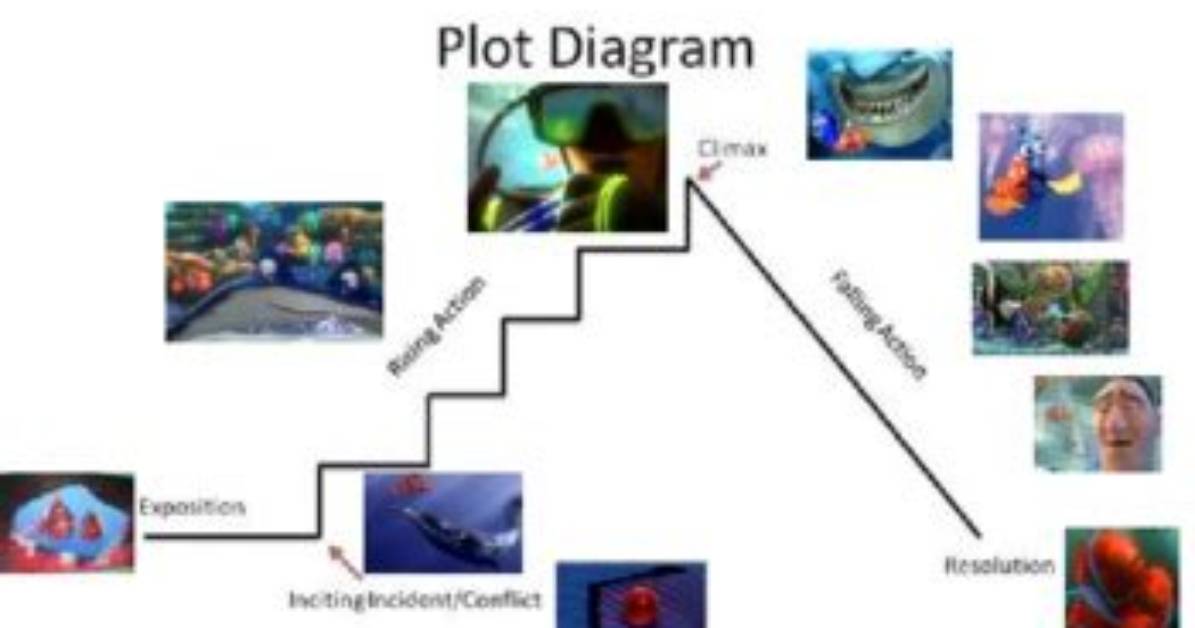
- "Finding Nemo" came out in 2003 and was beloved for its storyline and (somewhat) accurate depiction of life in the ocean.
- Clownfish really do look like that and live in sea anemones.
- There is a "whale language" though Dory probably can't speak it.
- Marlin probably could survive being stung in the forest of jellyfish because of a protective layer of mucus that clownfish have.
- Visit INSIDER's homepage for more stories.
The 2003 Pixar movie "Finding Nemo" struck a chord with audiences for its heartwarming story and (somewhat) accurate depiction of the underwater kingdom.
The movie — which spawned its own hilarious sequel, "Finding Dory" — introduced viewers to a diverse cast of sea creatures based on the real animals of the Great Barrier Reef.
Pixar movies are known for their long production timelines, but how accurate was the portrayal of sea life, especially since the movie's characters are species living off the coast of Australia?
INSIDER took a look at some of the real-life facts the movie gets right.
Marlin and Nemo are both clownfish. They each have three white stripes outlined in black and look like carbon copies of each other.
There are 30 recognized species of clownfish. Marlin and Nemo are Ocellaris clownfish, a type of orange clownfish that live in sea anemones, just like in the movie.
This type of clownfish is typically 3 to 4 inches long with bright orange coloring and white stripes outlined in black.
Clownfish are covered in a thin layer of mucus, making them immune to the sting of their anemone homes (a habitat, in the definition of a symbiotic relationship, the clownfish cannot survive without). The tiny fish eat the algae off the anemone and provide nutrients through waste, while the anemone provides natural protection for the clownfish against predators with its stinging tentacles.
Clownfish are also considered native to the Great Barrier Reef.

