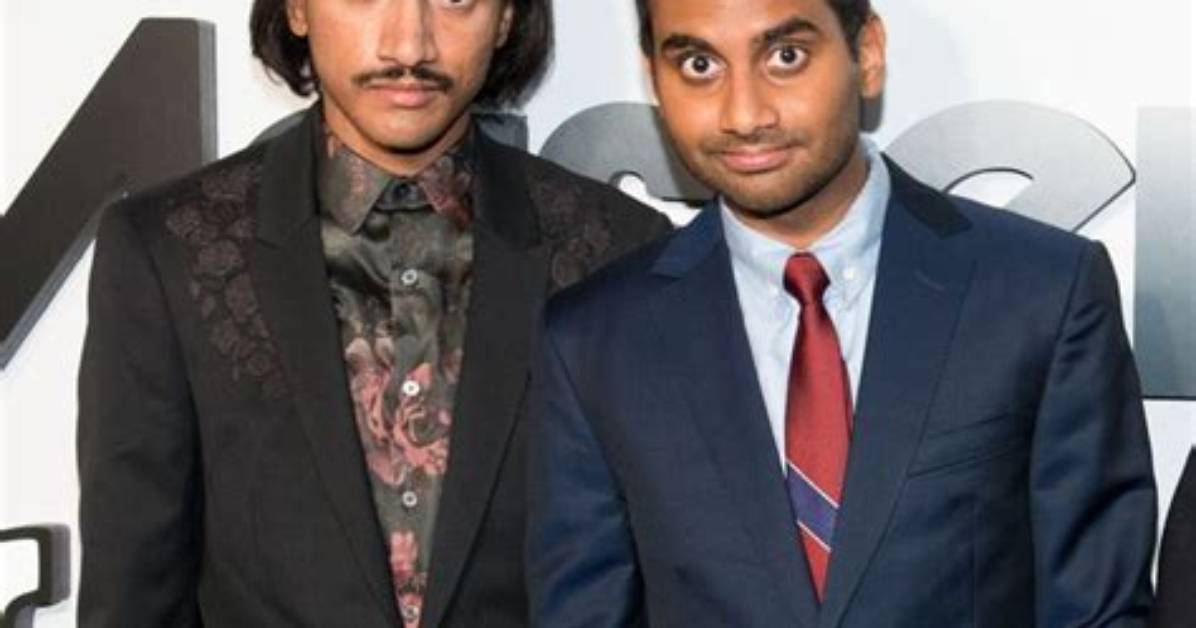
Aziz Ansari: Acclaimed Comedian, Actor, and Writer, Makes Waves in the Entertainment Industry with His Unique Brand of ComedyDespite his success, Ansari has faced criticism regarding his personal conduct and the portrayal of certain characters in his work. Some critics have argued that his comedy relies on stereotypes and reinforces harmful narratives about marginalized groups, particularly women of color.Ansari's target audience encompasses a diverse range of individuals, including fans of stand-up comedy, film, and television. His work often explores themes of relationships, race, and culture, resonating with audiences who identify with these experiences.This article will delve into the complexities of Aziz Ansari's career, examining his contributions to the entertainment industry, the controversies surrounding his work, and his impact on contemporary comedy and culture.
Aziz Ansari
Aziz Ansari is a multifaceted entertainer whose work encompasses stand-up comedy, acting, writing, and producing. His unique brand of comedy, often exploring themes of relationships, race, and culture, has garnered critical acclaim and a global following.
- Stand-up comedian
- Actor
- Writer
- Producer
- Indian-American
- Born in Columbia, South Carolina
- Graduated from New York University
- Known for his observational humor
- Has won numerous awards, including Emmy and Golden Globe awards
Ansari's work has been praised for its originality, wit, and cultural relevance. He has been recognized for his ability to address sensitive topics with humor and insight, while also challenging societal norms and stereotypes. His success has made him one of the most influential comedians of his generation.
| Name | Born | Occupation |
|---|---|---|
| Aziz Ansari | February 23, 1983 | Comedian, actor, writer, producer |
Aziz Ansari
Aziz Ansari's career has been marked by both critical acclaim and controversy. His unique brand of comedy, which often explores themes of relationships, race, and culture, has won him a global following. However, some critics have argued that his work relies on stereotypes and reinforces harmful narratives about marginalized groups, particularly women of color.

