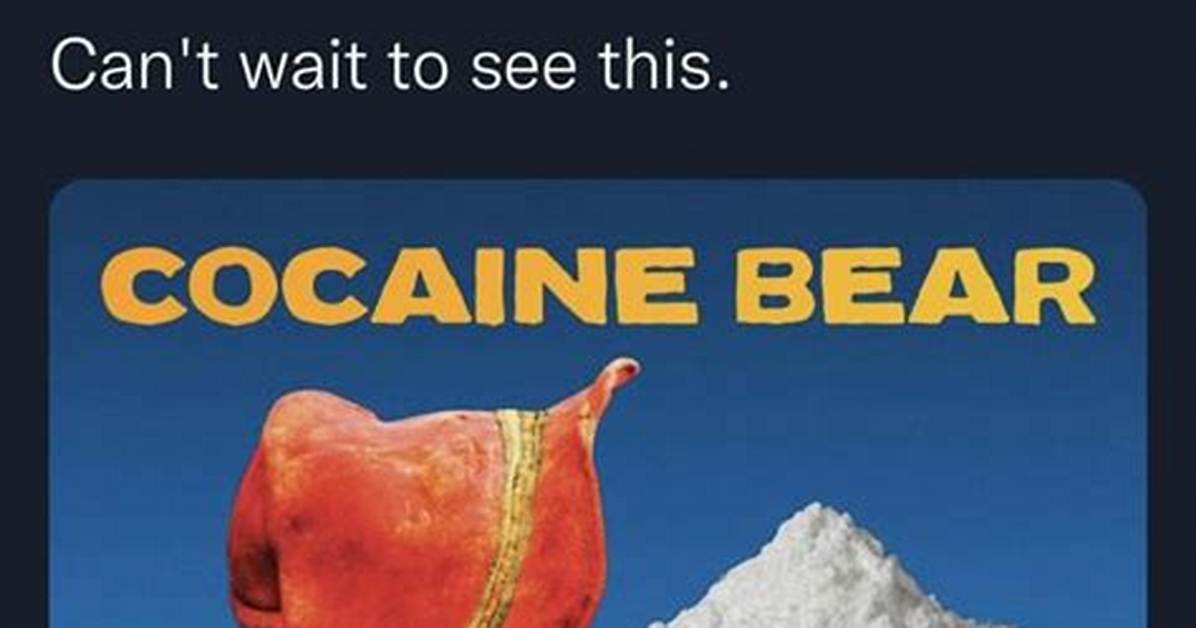
The "Cocain Bear" meme has captivated the internet with its bizarre blend of humor and dark fascination. Born out of a tragic yet absurd true story, this meme has evolved into a cultural phenomenon, sparking discussions about the nature of memes, the absurdity of life, and the unexpected ways in which humor can emerge from the most unusual circumstances. As social media users share images, GIFs, and humorous takes on this infamous bear, it has become a symbol of the wild intersection between reality and absurdity, capturing the imagination of many.
What started as a tragic tale of a bear encountering a stash of cocaine has morphed into a vibrant meme culture that touches upon various themes, from addiction to the sheer randomness of life. The Cocain Bear meme invites us to reflect on how far we can stretch humor in the face of unfortunate events. In an age where memes serve as a critical means of communication, the Cocain Bear stands out as an example of how the internet can transform a story into a shared cultural experience.
As we delve into the origins, implications, and popularity of the Cocain Bear meme, we will explore the various dimensions that make it a standout in the meme landscape. From its background to its impact on internet culture, the Cocain Bear meme is not just a fleeting trend but a topic worth exploring in-depth.
What is the Origin of the Cocain Bear Meme?
The Cocain Bear meme originates from an actual event that occurred in 1985 when a bear in Georgia found a duffel bag filled with cocaine that had been dropped by drug smugglers. The bear consumed a significant amount of the drug and ultimately died from an overdose. This tragic yet absurd incident has since been memorialized in various forms, including articles, documentaries, and of course, memes. The meme itself often features images of the bear, humorously captioned to highlight the ridiculousness of the situation.
How Did the Meme Evolve Over Time?
Initially, the Cocain Bear meme was limited to niche internet communities that appreciated dark humor. However, as more people became aware of the story, the meme gained traction on larger platforms like Twitter and Instagram. Users began to create variations, adding their own twists and interpretations to the original story. This transformation reflects the fluid nature of memes, which can change meaning and context in an instant.
What Makes the Cocain Bear Meme So Popular?
Several factors contribute to the popularity of the Cocain Bear meme:
- Shock Value: The absurdity of a bear consuming cocaine is inherently shocking and humorous.
- Cultural Commentary: The meme serves as a commentary on addiction and the unpredictability of life.
- Versatility: The Cocain Bear can be used in various contexts, making it a versatile meme.
- Community Engagement: People enjoy sharing and creating content that resonates with their experiences, and this meme provides an avenue for that.
Why is the Cocain Bear Meme Important in Internet Culture?
The Cocain Bear meme is significant because it encapsulates how internet culture can take a real-life event and transform it into something humorous and relatable. It highlights the collective creativity of internet users, who can take a tragic story and find humor in it. This phenomenon is a testament to the resilience of human nature and our ability to find laughter even in dark times.
What Are Some Notable Variations of the Cocain Bear Meme?
As the Cocain Bear meme spread across the internet, several notable variations emerged:
- Animated GIFs: Short clips of the bear with humorous captions.
- Photoshopped Images: The bear edited into various pop culture scenarios.
- Parody Merchandise: T-shirts and mugs featuring the Cocain Bear with funny quotes.
Have There Been Any Real-Life Impacts from the Cocain Bear Meme?
While the Cocain Bear meme may seem trivial, it has sparked conversations around addiction, wildlife conservation, and the absurdity of human behavior. It has led to increased awareness about the consequences of drug trafficking and its impact on wildlife. Furthermore, this meme has inspired documentaries and discussions about the intersection of drugs and nature.

