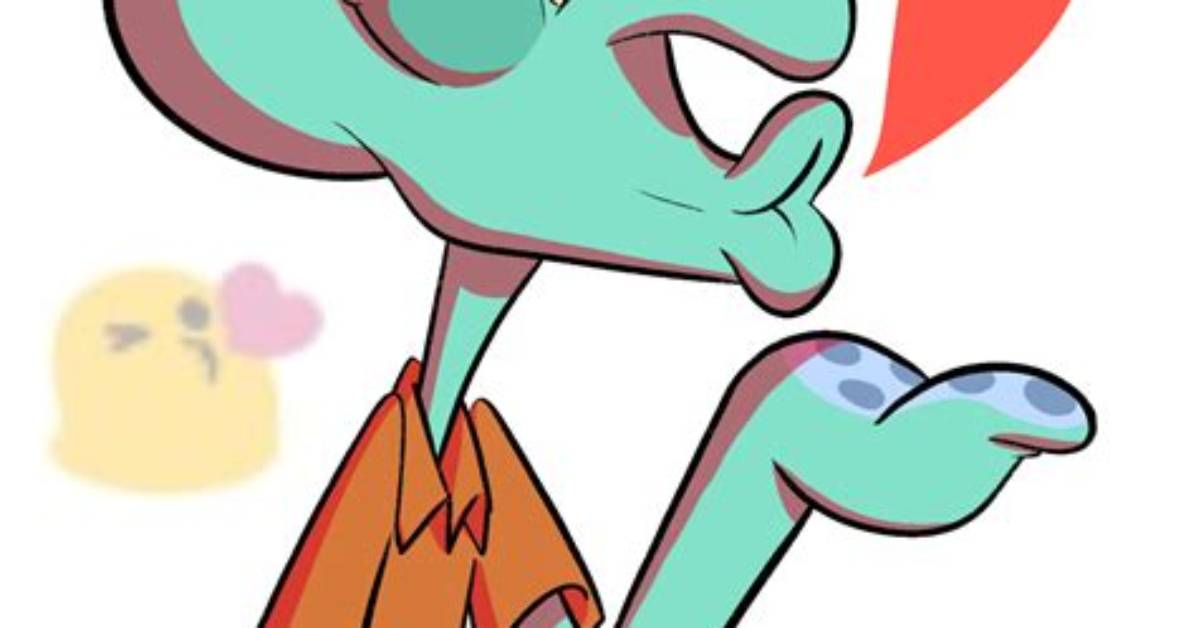
In the vibrant world of animated series, few characters have left a mark as distinct as Squidward Tentacles from the beloved show "SpongeBob SquarePants." Among the myriad of expressions that this grumpy yet relatable octopus displays, the infamous "squidward heart eyes" have captivated audiences, sparking joy and laughter in equal measure. These heart-shaped eyes, often seen during moments of unexpected admiration or whimsy, encapsulate the essence of Squidward's character—a blend of cynicism and an underlying desire for connection. The phenomenon of Squidward heart eyes is not merely a visual gag; it represents a deeper commentary on the nature of affection and the struggle for recognition in a world filled with chaos. Fans of the show have immortalized this expression through fan art, memes, and discussions, highlighting its significance in Squidward's journey.
As viewers, we are drawn to Squidward's heart eyes because they reveal a side of him that contradicts his usual demeanor. This juxtaposition is what makes Squidward a complex character, embodying the struggles of an artist yearning for appreciation while often facing the absurdity of his surroundings. The "squidward heart eyes" moment serves as a reminder that beneath the surface of irritation and sarcasm lies a longing for beauty and connection—a theme that resonates with many of us.
In this article, we will delve into the origins and implications of Squidward heart eyes, exploring its cultural significance, psychological underpinnings, and the reasons behind its popularity among fans. Through a series of engaging questions and discussions, we aim to uncover the layers of meaning behind this iconic expression and what it reveals about Squidward's character and the broader themes of "SpongeBob SquarePants."
What Makes Squidward Heart Eyes So Memorable?
The "squidward heart eyes" phenomenon is rooted in both visual appeal and character development. This expression, often used in moments where Squidward is infatuated or deeply moved, creates a stark contrast to his usual grumpy persona. By examining the moments leading up to this expression, we can better understand why it resonates with viewers.
How Did Squidward Heart Eyes Emerge in the Series?
Squidward's heart eyes first appeared in various episodes, typically during scenes that highlighted his unexpected romantic or artistic inclinations. One notable example is when he encounters something beautiful, whether it be music or art, momentarily dropping his cynical facade. This transformation is both humorous and touching, showcasing the duality of his character.
Are There Specific Episodes Featuring Squidward Heart Eyes?
- “The Secret Recipe” – A moment of admiration for a beautiful piece of art.
- “The Great Snail Race” – When Squidward feels a rush of excitement watching a race.
- “Squid’s Visit” – Encountering unexpected moments of joy.
- “Band Geeks” – His heart eyes during the band's triumphant performance.
What Psychological Themes Are Reflected in Squidward Heart Eyes?
Squidward heart eyes go beyond mere expression; they touch on deeper psychological themes such as longing, appreciation, and vulnerability. In moments when Squidward is depicted with heart-shaped eyes, he embodies the universal desire for connection and admiration that many individuals experience.
Do Squidward Heart Eyes Reflect a Desire for Acceptance?
Throughout the series, Squidward often grapples with feelings of inadequacy and rejection. The heart eyes serve as a visual metaphor for his desire to be seen and valued, particularly in an environment filled with the exuberance of SpongeBob and Patrick. This desire is relatable, making Squidward's character more accessible to viewers.
How Has Squidward Heart Eyes Influenced Fan Culture?
The impact of Squidward heart eyes extends beyond the screen, influencing fan culture in various ways. Fans have embraced this expression, creating a plethora of fan art, memes, and merchandise that celebrate this iconic moment. Through social media platforms, the "squidward heart eyes" have become a symbol of appreciation for the character's complexity.

