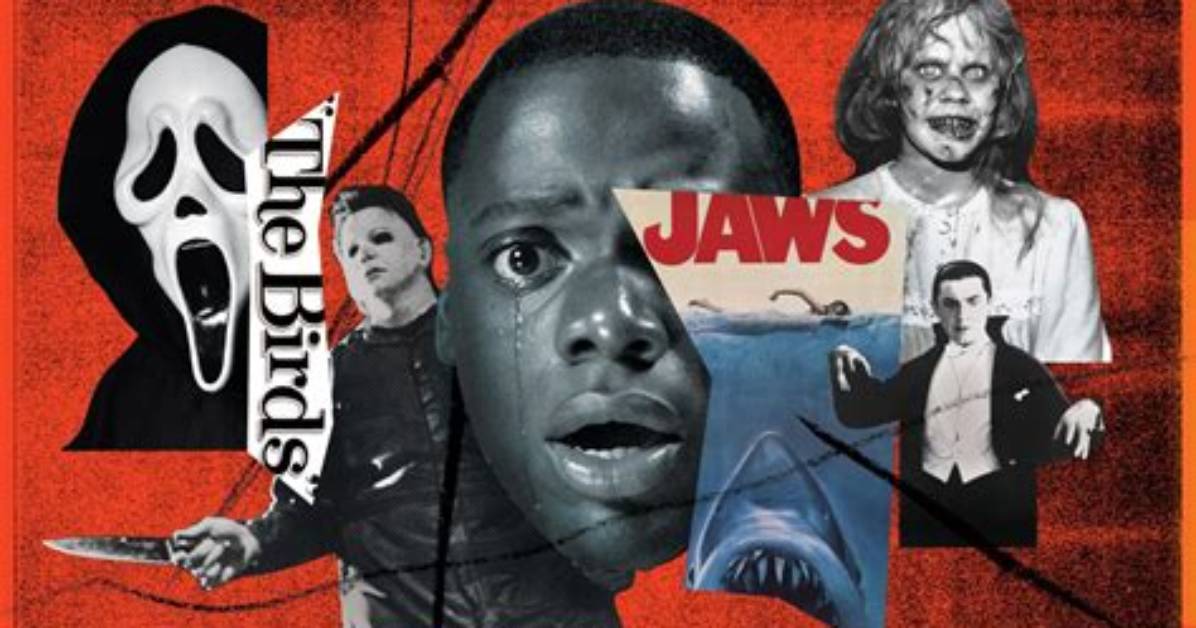
Horror movies have always been a staple for those seeking a thrilling cinematic experience, and when it comes to adding an extra layer of fright, there's nothing quite like a clown. These painted jesters, often associated with happiness and joy, take on a terrifying persona when featured in horror films. The juxtaposition of innocence and malevolence creates an unsettling atmosphere that draws audiences in, making "horror movie with clown" a popular search term among fans of the genre. Clowns have been a source of fear for many, with their exaggerated features and unpredictable behavior, and filmmakers have capitalized on this fear to craft some of the most memorable horror films in history.
The fascination with clowns in horror movies can be traced back to the deep-rooted psychological impact they have on audiences. The fear of clowns, known as coulrophobia, is a common phobia that adds a real-world layer of terror to these films. This fear is often exacerbated by the eerie silence of a clown's painted smile, which can hide sinister intentions. Horror movies with clowns delve into this unease, creating narratives that prey on our discomfort and curiosity.
Over the years, the genre has evolved, with filmmakers experimenting with new ways to incorporate clowns into horror narratives. From classic films like "It" to lesser-known indie productions, horror movies with clowns have a rich history that continues to captivate audiences. This article will explore the various elements that make clowns a compelling subject in horror, examining their origins, cultural significance, and impact on the genre. We'll also look at some of the most iconic horror movies featuring clowns and how they've shaped our understanding of fear and entertainment.
The Origins of Clowns in Horror
The use of clowns in horror movies can be traced back to the early days of cinema. The concept of the clown as a sinister figure has deep historical roots, often linked to the duality of their nature – a character that is both amusing and unsettling. This duality is what makes clowns such effective villains in horror films. The earliest horror movies featuring clowns played on this ambiguity, utilizing the character's ability to shift between comedy and terror seamlessly.
One of the earliest examples of clowns in horror is the 1928 film "He Who Gets Slapped," which, although not a horror movie in the traditional sense, features a clown character that experiences a tragic and dark storyline. This set the stage for future films to explore the darker side of clowns. The evolution of clowns into horror icons can also be attributed to the rise of psychological horror, where the focus shifted from supernatural elements to the exploration of human fears and phobias, including coulrophobia.
As horror films evolved throughout the decades, clowns began to appear more frequently as antagonists. This was partly due to the influence of real-life events and infamous figures such as John Wayne Gacy, a serial killer who performed as a clown at children's parties. The real-world horror associated with clowns seeped into popular culture, making them a natural fit for horror films seeking to tap into primal fears.
The Psychological Impact of Clowns
Clowns have a unique ability to tap into deep psychological fears, making them a powerful tool for horror filmmakers. The psychological impact of clowns stems from their exaggerated features and the masks they wear, both literal and metaphorical. The painted smile of a clown can hide a myriad of emotions, creating an unsettling sense of unpredictability. This ambiguity is what makes clowns so terrifying to many people.
The fear of clowns, or coulrophobia, is a well-documented phobia that affects a significant portion of the population. Psychologists suggest that this fear may be rooted in the uncanny valley phenomenon, where human-like entities with slight differences evoke feelings of unease and discomfort. The unnatural appearance of clowns, with their painted faces and exaggerated expressions, fits this description perfectly, making them prime candidates for horror narratives.
In horror movies, clowns often serve as a metaphor for hidden fears and repressed emotions. They represent the darker sides of human nature and the chaos that lurks beneath the surface of everyday life. By using clowns as villains, filmmakers are able to explore complex psychological themes and tap into the audience's deepest anxieties.

