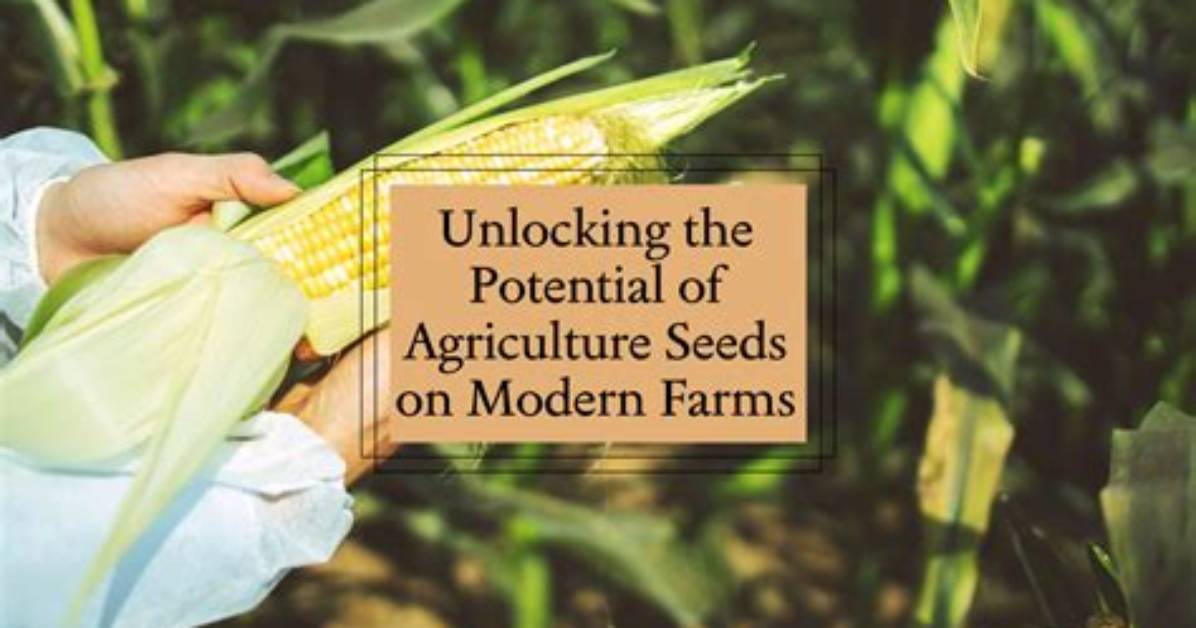
Mayseeds represents a pivotal movement in sustainable agriculture, focusing on innovation and environmentally-friendly practices. This article will delve into the essence of Mayseeds, exploring its significance in modern farming, the techniques it promotes, and the benefits it offers to farmers and consumers alike. With the growing concerns over food security and environmental degradation, understanding Mayseeds becomes increasingly imperative for those invested in the future of agriculture.
The agricultural landscape is continuously evolving, and Mayseeds stands at the forefront of this transformation. By leveraging advanced agricultural methods, Mayseeds aims to enhance crop yields while minimizing ecological impact. This article serves as a comprehensive guide, providing insights into the practices and philosophies that define Mayseeds, along with its broader implications for global food systems.
As we navigate through the intricacies of Mayseeds, we will explore various aspects including its history, methodologies, and the role it plays in promoting sustainable farming. Whether you are a farmer, a consumer, or simply interested in the future of food, this article will equip you with valuable knowledge about Mayseeds and its relevance in today's world.
What is Mayseeds?
Mayseeds refers to seed varieties that are specifically developed to thrive under sustainable agricultural practices. These seeds are engineered to be resilient against pests, diseases, and varying climatic conditions while also promoting biodiversity. The essence of Mayseeds lies in their ability to contribute to a self-sustaining ecosystem.
Key Characteristics of Mayseeds
- Resilience to environmental stress
- High yield potential
- Compatibility with organic farming practices
- Support for biodiversity
History of Mayseeds
The roots of Mayseeds can be traced back to traditional agricultural practices where farmers selected and saved seeds from the best-performing plants. This practice evolved with scientific advancements, leading to the development of hybrid and genetically modified seed varieties that prioritize sustainability.
Evolution of Seed Selection
Historically, seed selection was a labor-intensive process based on empirical knowledge. With the advent of modern genetics, seed development has transformed into a more systematic approach, incorporating scientific research and technology.

