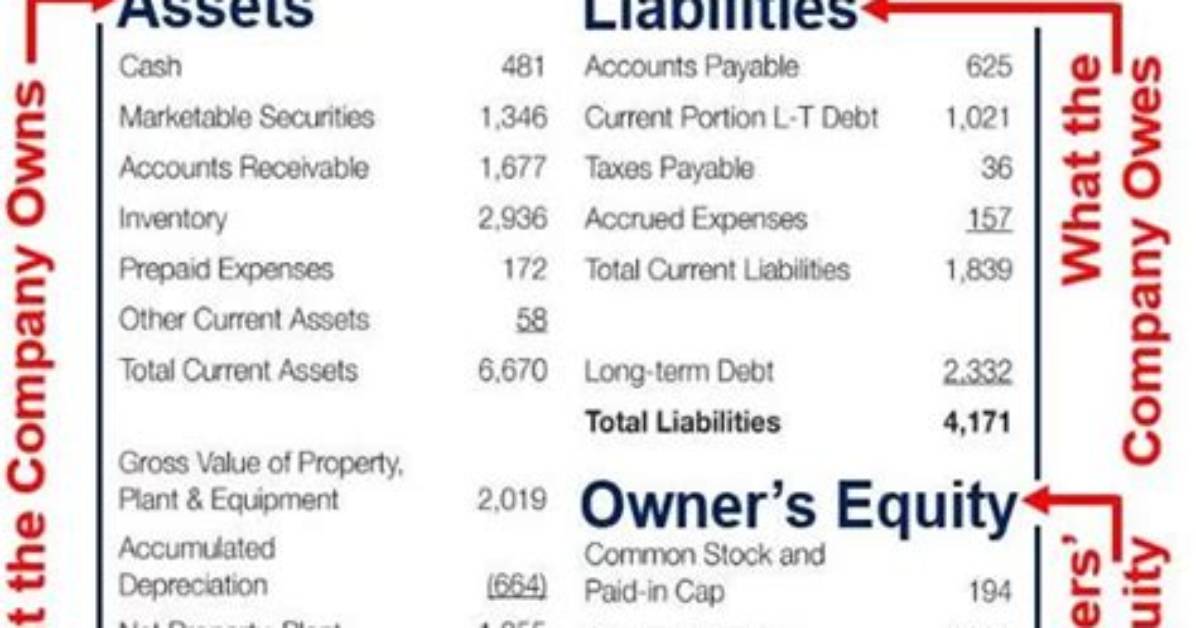
What is a liability? In the world of finance, this term represents a critical concept that every individual and business should grasp. Liabilities are obligations that an entity owes to another party, typically involving the payment of money or the provision of services. Understanding liabilities is essential for effective financial management, whether for personal finances or business operations. In this article, we will delve into the various types of liabilities, their implications for financial health, and how they can impact your overall financial strategy.
Liabilities play a significant role in both personal and corporate finance. They can affect your credit score, influence your ability to secure loans, and determine your net worth. Therefore, comprehending what liabilities entail and how to manage them is crucial for maintaining financial stability. As we explore this topic, we will also examine the relationship between liabilities and assets, providing a comprehensive overview of their importance in financial statements.
Throughout this article, we will break down the concept of liabilities into manageable sections, including definitions, types, examples, and strategies for managing them effectively. Whether you are a student, a young professional, or a seasoned entrepreneur, this guide will equip you with the knowledge you need to navigate the complexities of liabilities.
1. Definition of Liabilities
Liabilities are defined as financial obligations that a business or individual owes to another party. These obligations can arise from borrowing money, purchasing goods or services on credit, or any other situation where payment is required in the future. In essence, a liability represents a claim against the assets of an entity.
2. Types of Liabilities
Understanding the different types of liabilities is crucial for effective financial management. There are two primary categories of liabilities: current liabilities and long-term liabilities.
2.1 Current Liabilities
Current liabilities are obligations that are due within one year. They typically include:
- Accounts Payable
- Short-term Loans
- Accrued Expenses
- Taxes Payable
2.2 Long-term Liabilities
Long-term liabilities are obligations that extend beyond one year. They often include:
- Mortgages
- Bonds Payable
- Long-term Loans
- Pension Obligations

